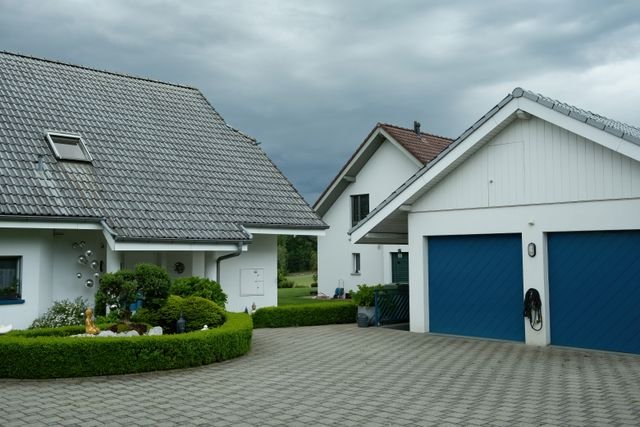
office painting adelaide choosing the best exterior paint for Adelaide homes requires more thought than selecting an attractive colour. Adelaide properties experience hot, dry summers, strong sunlight, wind and periods of wet weather during winter. These conditions can affect how exterior paint looks, how well it adheres and how long it continues to protect the surfaces underneath.
A paint that performs well on an indoor wall may not be suitable for an exposed exterior. Outdoor surfaces need a coating designed to handle changing temperatures, moisture, ultraviolet exposure and everyday weathering. The right product must also suit the material being painted, whether that is rendered masonry, timber, brick, fibre cement or previously painted surfaces.
If you are planning exterior house painting in Adelaide, the best approach is to choose a suitable paint system rather than focusing on colour alone. This includes the correct preparation, primer, finish and application conditions.
What Makes Exterior Paint Suitable for Adelaide?
Exterior paint needs to do two jobs. It should improve the appearance of the property while helping protect the surface from weather exposure.
Adelaide’s climate can place stress on exterior coatings in several ways:
- Strong sunlight can cause fading over time.
- High summer temperatures can affect surfaces and paint application.
- Wind can carry dust and debris onto painted walls.
- Winter rain can expose cracks, gaps and weak areas.
- Temperature changes can cause some building materials to expand and contract.
- Coastal properties may experience additional exposure to salt-laden air.
For this reason, exterior paint should be selected according to the surface, location and exposure level of the home.
A suitable exterior coating should generally provide good adhesion, resistance to weathering and a finish appropriate for the material. However, even high-quality paint can fail prematurely if it is applied over dirt, peeling paint, damp surfaces or unresolved damage.
The Best Types of Exterior Paint for Adelaide Homes
There is no single exterior paint that is best for every Adelaide property. Different surfaces and conditions require different products.
Acrylic Exterior Paint
Acrylic exterior paint is a common choice for residential walls, rendered surfaces, fibre cement and other suitable substrates.
Its advantages can include:
- Good resistance to everyday weather exposure
- Flexible application across various exterior surfaces
- Easy availability in a wide range of colours
- Relatively straightforward maintenance
- Compatibility with many common residential surfaces
Acrylic products are available in different quality levels and finishes. A product designed for exterior use should be selected rather than using standard interior acrylic paint outdoors.
For many Adelaide homes, a quality exterior acrylic system can be a practical option for walls and other suitable surfaces, provided the substrate is correctly prepared.
Elastomeric or Flexible Coatings
Flexible exterior coatings may be suitable for certain rendered or masonry surfaces where minor movement and hairline cracking are concerns.
These products are designed to provide a more flexible coating than some standard paints. They may help bridge certain minor surface imperfections, but they should not be treated as a solution for structural cracking or major movement.
Before using a flexible coating, the painter should assess:
- The type and condition of the render
- The width and cause of cracks
- Existing paint compatibility
- Surface moisture
- The manufacturer’s application requirements
If cracks are caused by movement, water damage or a building defect, the underlying issue should be addressed before painting.
Exterior Paint for Timber
Timber weatherboards, fascia boards, window trims and doors need a paint system suitable for wood.
Timber can absorb moisture, move with changing conditions and deteriorate when exposed to sunlight and rain. Preparation is particularly important and may include:
- Removing loose or peeling paint
- Sanding rough areas
- Cleaning the surface
- Repairing damaged timber
- Priming bare areas
- Sealing suitable joints
- Applying the correct exterior topcoat
The condition of the timber should be checked before painting. Rotten or severely damaged timber may need repair or replacement rather than simply receiving another coat of paint.
Paint for Metal Surfaces
Metal gates, railings, window frames and other exterior fixtures may require a specific metal primer and compatible topcoat.
Rust should be removed or treated using an appropriate method before painting. The surface must also be clean and free from contaminants that could affect adhesion.
Using a general wall paint on metal can lead to poor adhesion, peeling or an uneven finish. The correct system depends on the type of metal, existing coating and level of exposure.
Why Surface Preparation Matters More Than Paint Alone
One of the biggest mistakes homeowners make is assuming that expensive paint will automatically produce a long-lasting result. In practice, preparation has a major influence on how well the coating performs.
Cleaning the Surface
Exterior walls can collect dust, dirt, cobwebs, pollution residue and organic growth. These contaminants can prevent paint from bonding properly.
The cleaning method should suit the surface. High-pressure cleaning may not be appropriate for every material, particularly damaged render, older timber or fragile surfaces.
Removing Loose Paint
Peeling and flaking paint should be removed before repainting. Applying new paint over unstable layers may result in the new coating failing as the old paint continues to lift.
Repairing Cracks and Damage
Small holes, cracks and surface imperfections should be assessed and repaired using compatible materials. Larger cracks may indicate movement or moisture problems and require further investigation.
Applying Primer
Primer may be needed on bare surfaces, repaired areas, stained sections or materials that require additional adhesion. The correct primer depends on the substrate and the chosen topcoat.
Allowing the Surface to Dry
Painting over damp surfaces can trap moisture and contribute to bubbling, peeling or uneven drying. The surface should be suitably dry, and the product’s application instructions should be followed.
Which Exterior Paint Finish Is Best?
The finish affects both appearance and maintenance.
Low-Sheen Finish
A low-sheen exterior finish can provide a softer appearance while offering some washability. It may be suitable for many residential walls, depending on the surface and product.
Matt Finish
Matt finishes can help reduce glare and may disguise minor surface irregularities. However, not every matt product is suitable for exterior use, so the product specification should be checked carefully.
Gloss or Semi-Gloss Finish
Gloss and semi-gloss finishes are often used for doors, trims, window frames and selected architectural details. They can be easier to clean but may highlight dents, uneven surfaces and preparation marks.
For many Adelaide homes, a combination of finishes works well: a suitable low-sheen coating for larger walls and a more durable finish for doors, trims and high-contact areas.
Choosing Exterior Paint Colours for Adelaide Conditions
Colour selection is mainly a design decision, but it can also influence maintenance.
Lighter colours may show less fading in some conditions and can help reflect more sunlight. Darker colours can create a strong architectural appearance but may show fading or surface imperfections more clearly.
Before choosing a colour, consider:
- The home’s architectural style
- Roof and gutter colours
- Brickwork or existing masonry
- Landscaping
- Neighbouring properties
- Direct sunlight
- Coastal exposure
- Whether the colour will be used on walls, trims or doors
Test sample colours on the actual exterior if possible. A colour can look different depending on the time of day, surrounding materials and amount of sunlight.
It is also worth checking whether the existing surface has chalked or faded. A new colour may appear inconsistent if the preparation is incomplete.
When Is the Best Time to Paint an Exterior in Adelaide?
Exterior painting should be planned around suitable weather rather than a fixed month.
The painter needs to consider:
- Rain forecasts
- Wind
- Surface temperature
- Air temperature
- Humidity
- Drying time
- Overnight conditions
- The product manufacturer’s instructions
Winter rain can interrupt exterior work and prevent surfaces from drying properly. Summer heat can also create challenges if paint dries too quickly or the surface becomes excessively hot.
The most suitable period will depend on the specific project, the exposed position of the home and the type of coating being used. A professional painter should assess the forecast and avoid applying paint in unsuitable conditions.
How to Maintain Exterior Paint Through the Seasons
Regular maintenance can help you identify problems before they become more expensive.
Inspect the exterior at least periodically for:
- Peeling or bubbling paint
- Fading
- Cracks
- Mould or organic growth
- Rust
- Failed sealant
- Water stains
- Deteriorating timber
- Damage around windows and doors
Keep gutters and downpipes functioning correctly so that water does not repeatedly run down painted walls. Trim vegetation that constantly touches the exterior, as it can retain moisture and rub against the coating.
Gentle cleaning may also help remove surface dirt. Avoid harsh cleaning methods unless they are suitable for the material and paint system.
Common Mistakes to Avoid
Choosing Interior Paint for Outdoor Surfaces
Interior paint is not formulated for the same level of sunlight, rain and temperature exposure. Always choose a product specifically designed for exterior use.
Painting Over Damp Walls
Moisture trapped beneath paint can cause blistering, peeling and other coating failures. Identify and resolve leaks or dampness first.
Skipping Primer
Bare timber, repaired areas, stains and certain difficult surfaces may require primer. Skipping this step can affect adhesion and coverage.
Painting in Extreme Weather
Excessive heat, rain or wind can affect application and drying. Follow the product instructions and choose suitable conditions.
Ignoring the Existing Surface
A new coating cannot reliably correct rotten timber, major cracking, failed sealant or unstable old paint. These problems need attention before painting.
Selecting Paint Only by Colour
Colour matters, but product suitability, preparation, finish and exposure are equally important. Choose a complete paint system rather than a colour alone.
Frequently Asked Questions
What is the best exterior paint for Adelaide weather?
A quality exterior acrylic coating is often suitable for many residential surfaces, but the best choice depends on the substrate, exposure and existing paint. Render, timber and metal may require different products or primers.
Is exterior paint waterproof?
Exterior paint can provide resistance to weather exposure, but it does not make a building completely waterproof. Leaks, failed joints, damaged render and poor drainage still need to be addressed separately.
Should I use light or dark paint on my Adelaide home?
Both can work. Light colours may be easier to maintain in some exposed conditions, while dark colours can create a distinctive appearance. Consider sunlight, existing materials and the desired finish before deciding.
Can exterior painting be done during winter?
It can be possible during suitable dry weather, but rain, damp surfaces and overnight conditions may delay the work. The product requirements and forecast should be checked before application.
How long should exterior paint last?
The lifespan varies according to preparation, product quality, surface material, exposure and maintenance. Coastal and highly exposed properties may need closer inspections than sheltered homes.
Should I pressure wash before painting?
Cleaning may be necessary, but the method must suit the surface. Excessive pressure can damage timber, render or older coatings. A painter should select an appropriate cleaning method.
Final Thoughts
The best exterior paint for Adelaide’s hot summers and wet winters is not simply the most expensive product or the most popular colour. It is the paint system that suits the surface, exposure and condition of your home.
For many properties, a quality exterior acrylic coating may be suitable, while timber, metal, render and heavily exposed surfaces may require more specialised preparation or products. The final result depends just as much on cleaning, repairs, primer and application conditions as it does on the paint itself.
Before starting your project, arrange an exterior inspection and request a detailed quote that explains the preparation, products, number of coats and areas included. A suitable paint system will help your Adelaide home maintain its appearance and withstand changing weather conditions for longer.
Leave a Reply