landscapers adelaide hot, dry summers can make a traditional garden surprisingly demanding to maintain. Large areas of thirsty lawn, exotic flowering plants and gardens that rely heavily on irrigation can require regular watering during the driest part of the year.
Native landscaping offers another approach. By selecting plants suited to Adelaide’s climate, soil and available water, homeowners can create gardens that are attractive, practical and easier to maintain once established. Local native plants have adapted to conditions such as limited water availability and Adelaide’s seasonal climate, making them useful choices for water-wise landscaping.
The best results come from more than simply filling a garden with native plants. Plant selection, garden layout, soil drainage, mulch, irrigation and the amount of sun each area receives all need to work together. Here are practical native landscaping ideas for Adelaide homes where reducing water use is a priority.
Why Native Landscaping Works Well in Adelaide
Adelaide gardens experience a combination of hot, dry summers and wetter winter conditions. Local native plants have evolved to cope with these environmental conditions, including periods of low rainfall and challenging soils.
Once established, many suitable local natives can require considerably less supplementary watering than plants that are poorly matched to the local environment. State Flora recommends choosing plants according to the water available at the site rather than simply choosing plants because they are labelled “native”.
There are other benefits too. Appropriate native plants can provide food and shelter for birds, butterflies and other wildlife while giving homeowners options for screening, groundcovers, feature planting and garden structure.
The key is matching the plant to the location.
1. Create a Layered Native Garden
A water-wise garden does not have to look sparse. One effective approach is to combine plants at different heights.
For example, a garden bed could contain:
- A small native tree or taller shrub for structure
- Medium shrubs for screening and mass planting
- Grasses and strappy plants for texture
- Groundcovers around the edges
- Flowering plants for seasonal colour
This layered approach can make a relatively small garden feel more established without relying on large areas of lawn.
The Adelaide Garden Guide includes native planting concepts ranging from natural cottage and habitat gardens through to formal and contemporary designs. This demonstrates that native landscaping does not have to mean creating a completely informal “bush garden”.
Use Repetition for a More Modern Look
Instead of planting dozens of unrelated species, repeat a small selection of plants throughout the garden.
For instance, the same grass-like plant could be repeated along a pathway while a flowering shrub is used at several points as an accent. This creates visual consistency and can make the garden look deliberately designed rather than randomly planted.
2. Use Local Native Plants Where Possible
“Native” is a broad term. A plant can be native to Australia but still be poorly suited to a particular Adelaide site.
Local native plants are specifically adapted to local conditions such as soil, climate and water availability. Green Adelaide provides a local native plant resource that allows homeowners to investigate vegetation types and species associated with different parts of the Adelaide region.
The South Australian Plant Selector+ is another useful starting point. It allows users to search by suburb or postcode and match plants with local soil and landscape conditions.
This is particularly useful when choosing plants for a new garden rather than replacing plants after they fail.
3. Build a Low-Water Native Front Garden
Front gardens are often a good place to reduce lawn and create a more water-efficient landscape.
Consider replacing some lawn with:
- Native groundcovers
- Gravel or decorative stone
- Small flowering shrubs
- Native grasses
- Stepping stones
- Feature rocks
- A simple paved pathway
The result can be a contemporary garden that still has plenty of greenery without requiring the same amount of irrigation as a large lawn area.
For a formal appearance, use repeated plant groups and clean edging. For a more natural appearance, combine different foliage textures and flowering plants.
4. Add Native Plants for Privacy and Screening
Native shrubs can also be used to create privacy without constructing a large solid barrier.
Grevilleas, for example, are available in different forms and can be used for screening and hedging. State Flora notes that suitable Grevillea varieties can form dense shrubs and respond well to pruning after flowering.
The right choice depends on the available space, mature height, soil, sun exposure and how much pruning you are prepared to do.
Avoid choosing a screening plant purely because it grows quickly. A plant that eventually becomes too large for the available space can create unnecessary maintenance and root or access issues.
5. Try a Native Cottage-Style Garden
If you like colourful, relaxed gardens, you do not have to abandon the cottage-garden aesthetic simply because you want to reduce water use.
South Australian environmental guidance specifically identifies water-wise local native plants as an option for creating cottage-style gardens with less water and maintenance than traditional cottage planting.
You can combine flowering natives, low-growing plants, shrubs and grasses to create seasonal interest.
Plants such as native bluebell (Wahlenbergia species), common everlasting (Chrysocephalum apiculatum) and creeping boobialla (Myoporum parvifolium) are examples highlighted by Green Adelaide as alternatives in Adelaide gardens.
6. Use Mulch to Reduce Water Loss
Plant selection is only part of water-wise landscaping. What happens around the plants matters as well.
Mulch can help reduce evaporation from the soil, suppress weeds and moderate soil temperatures. Green Adelaide recommends applying mulch or gravel around plants while keeping it away from the stems to reduce the risk of plant disease.
A properly mulched garden can therefore require less frequent watering than exposed soil.
The mulch should complement the overall design. Organic mulch can suit natural and cottage-style gardens, while gravel or stone can work particularly well in contemporary or minimalist landscapes.
7. Design Around Your Garden’s Microclimates
Not every section of an Adelaide property experiences the same conditions.
One area may receive full afternoon sun, while another sits beneath a tree or beside a south-facing wall. Some parts of the garden may drain quickly, while others remain wet during winter.
Instead of choosing one plant palette for the entire property, divide the garden into planting zones.
For example:
Full sun: Choose plants that tolerate strong sunlight and dry conditions.
Part shade: Select species that can handle reduced direct sunlight.
Poorly drained areas: Investigate plants suited to wetter conditions rather than trying to force dry-climate plants into them.
Coastal properties: Consider salt exposure, wind and sandy soils when selecting plants.
South Australia’s official Plant Selector+ considers soil and landscape conditions when recommending suitable plants, which can be particularly useful for this type of planning.
8. Plan for Establishment, Not Just the Finished Garden
One common misunderstanding is that a low-water garden needs no water.
New plants still need appropriate watering while their root systems establish. Green Adelaide recommends watering newly planted natives as required and giving established plants considerably less supplementary water, while monitoring them during unusually dry conditions.
State Flora similarly recommends establishing native plants with deeper, less frequent watering rather than relying on frequent light watering.
This establishment period should be included in the landscaping plan.
A garden designed to become low-water over time may require more attention during its first season than it will once the plants are established.
9. Combine Native Plants With Water-Smart Hard Landscaping
A low-water garden does not need to be entirely planted.
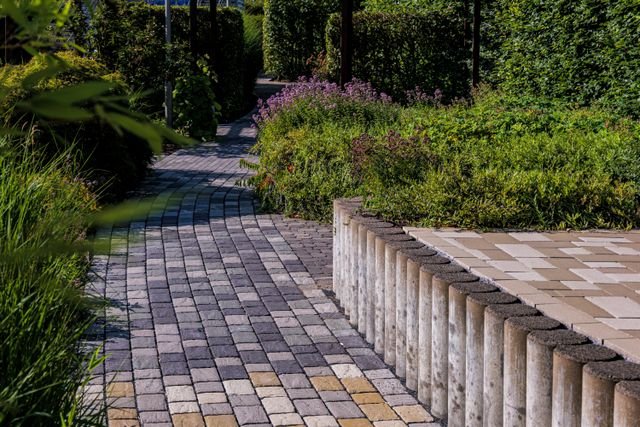
Paths, gravel areas, permeable paving, raised garden beds and carefully positioned seating can reduce the area that needs regular irrigation.
Green Adelaide also recommends considering permeable surfaces and raingardens as ways of helping keep water on the property for longer.
The Adelaide Botanic Garden’s Australian Native Garden provides another useful design example. Its planting design uses local and Australian native plants alongside sustainable landscaping principles, with collected rainwater used for irrigation.
Common Mistakes to Avoid
Assuming every native plant is drought tolerant
Australian native does not automatically mean suitable for your particular site. Check the plant’s preferred soil, drainage, sun exposure and local suitability.
Planting without considering mature size
A small plant at the nursery can become a substantial shrub or tree. Check mature dimensions before planting close to buildings, fences and paths.
Overwatering established natives
Too much water can encourage excessive growth and create other problems. Water according to the plant and conditions rather than following an automatic schedule indefinitely.
Using too many different species
A large collection of unrelated plants can make a garden visually busy. Repetition and grouping often produce a stronger landscape design.
Choosing plants before assessing the site
Start with sunlight, soil, drainage, available space and water. Then select plants. Reversing this process can result in plants that struggle after installation.
Frequently Asked Questions
What are the best native plants for low-water Adelaide gardens?
There is no single list that suits every Adelaide property. Local plants such as native bluebell, creeping boobialla, common everlasting, suitable Grevillea species and other locally appropriate shrubs and grasses can be considered depending on the site. Use local plant-selection resources to check suitability for your suburb.
Do native plants need watering in summer?
Newly planted natives need watering while they establish. Once established, many suitable local natives can survive with little supplementary watering, although extreme heat, prolonged dry periods and individual site conditions can change their requirements.
Can I have a native garden without removing my lawn completely?
Yes. You can progressively replace sections of lawn with native planting, gravel, pathways or other landscape features. This can be a practical way to reduce irrigation demand without redesigning the entire garden at once.
Are native gardens low maintenance?
Suitable local native plants can be low maintenance once established, but they still require occasional pruning, weed control, monitoring and replacement of plants that do not suit the site.
When is the best time to plant native plants in Adelaide?
Autumn is generally a useful planting period because the soil can still be warm while seasonal rainfall begins. State Flora specifically recommends autumn planting for natives.
How can I choose native plants for my suburb?
Start with the Green Adelaide local native plant resources and the South Australian Plant Selector+. These tools can help identify plants associated with local vegetation, soil and landscape conditions.
Final Thoughts
A successful low-water native garden is not simply a collection of Australian plants. It is a landscape designed around Adelaide’s climate, the conditions of the individual property and the amount of water available.
Start by assessing sunlight, soil and drainage. Choose locally suitable plants, group them according to their needs, use mulch or appropriate ground treatments, and allow new plants time to establish strong root systems.
If you are planning a complete garden makeover, a landscaping professional can assess the site and help develop a planting and hardscape plan suited to your property’s conditions. Getting the design right before purchasing plants can save considerable time and replanting later.
Leave a Reply